
The Intersection of Car Dealership Test Drives, Wait Times, and Brilliant Wilds Slot Entertainment across the UK

Navigating the UK car market entails a series of waits and evaluations, starting with the initial research up to the crucial test drive https://brilliant-wilds.com/. The modern consumer experience has changed, with dealerships organising appointment books and potential buyers searching for ways to utilise their downtime. In this world of waiting, digital entertainment, especially engaging online slots like Brilliant Wilds Slot, has found an unforeseen niche. We explore this blend, examining how the procedural delays associated with purchasing a vehicle can meet with the instant, vibrant world of online gaming. This is not merely about passing time; it’s about grasping the shifting behaviours of consumers who effortlessly blend practical tasks with leisure activities on a one mobile device.
Understanding Modern UK Automobile Dealership Dynamics
The classic picture of a Saturday morning used walking a car lot is fading. Today’s UK automobile acquisition experience is progressively booking-oriented and digital-first. Prospective buyers investigate comprehensively online, limiting selections to a small number of vehicles before stepping foot in a dealership. This change implies showrooms frequently handle scheduled test drives for highly informed customers, which streamlines the experience but also creates designated gaps of downtime. These periods—between arriving and the sales representative’s readiness, or during vehicle preparation—form pockets of ‘dead time’. For the customer, this time is an essential component of the transaction; for the astute dealership, it constitutes a touchpoint with the buyer that is currently underutilised and ripe for examination within the contemporary consumer experience.
The Prearranged Test Drive Model
Appointment systems have introduced efficiency but also rigidity. A customer’s time at the showroom is typically compartmentalised: arrival and paperwork, the test drive, and the follow-up conversation. If a part runs over, or if an earlier booking pushes back the beginning, a waiting line develops. This organised setting stands in stark contrast from the spontaneous, immediate-gratification realm of online services. This difference underscores a friction point in the customer journey—the transition from the self-directed, fast-paced online research phase to the physical, timetable-dependent dealership experience. Recognising this friction is the first step in seeing where supplementary activities, like mobile entertainment, naturally fill the gap.
Client Demands and In-Showroom Experience
Modern consumers, accustomed to on-demand services, demand a lot for their time. A waiting period that is not organised or occupied can negatively colour the complete sales centre visit. While many showrooms offer coffee, Wi-Fi, and comfortable seating, these are inactive facilities. The active, engaged customer, mobile device in hand, frequently looks for a more stimulating diversion. This is not a reflection on the dealership’s hospitality but instead on the deep-seated tendency to multitask and consume digital media. The demand is for smooth merging of activities, where a wait for one offering does not require a full break in personal entertainment or productivity.
The methods by which Dealerships Could Recognise This Trend
Forward-thinking dealerships might consider how to adjust their customer experience to this mixed reality. This does not mean promoting specific games, but rather creating an environment that reflects the digital habits of clients. The simplest step is providing robust, free, and easy-access Wi-Fi, as mobile gaming can use up data. Securing comfortable seating with accessible power outlets is another. Some could think about subtle design cues that differentiate ‘waiting zones’ from ‘discussion zones’, helping customers mentally change contexts. The core principle is to accept that the customer’s attention will be split and to facilitate a smooth transition between their digital world and the physical sales process when the time comes.
- Infrastructure Support: Prioritize high-bandwidth Wi-Fi and readily available charging points.
- Zoned Areas: Set up clear, comfortable waiting areas distinct from sales desks to allow for private device use.
- Staff Training: Urge staff to be mindful of customer immersion in devices and to approach respectfully to regain attention.
Coming Integration: Technology, Payments, and Entertainment
In the future, the distinctions between various forms of digital engagement may fade further. Could we see unified systems where a customer explores a car, books a test drive via the brand app, and, within the same ecosystem, has entry to branded entertainment during the wait? Or perhaps dealerships will develop their own lightweight, branded games that subtly showcase vehicle features? The underlying trend is the unification of multiple activities—research, commerce, communication, entertainment—onto single, multifunctional devices. Recognizing this, businesses across sectors, including automotive retail, must consider the customer’s time holistically. The ‘test drive wait’ is not an empty space but a linked instant in a continuous digital thread, a moment where products like Brilliant Wilds Slot already reside.
The Phenomenon of Waiting in Consumer Interactions
How we perceive time is personal and greatly impacted by engagement. A prolonged and boring wait can breed impatience and discontent, possibly endangering a sale. The psychology here is clear: occupied time feels shorter than unoccupied time. Within a car dealership setting, the client is already anticipating and assessing. Adding boredom to this mix is counterproductive. Consequently, managing wait periods is a subtle but key element of customer service. Providing a means for mental engagement isn’t just a courtesy; it’s a strategic tool to maintain a positive emotional state and keep the customer’s focus within the broader realm of aspirational purchases and exciting decisions.
- Reducing Anxiety: A mental diversion can ease the slight anxiety tied to a significant financial commitment.
- Perceived Worth: Time spent enjoyably adds to the overall positive perception of the service encounter.
- Control Restoration: Choosing an activity restores a sense of personal agency during a process largely controlled by the dealership’s schedule.
Portable Entertainment as a Ubiquitous Solution
The smartphone has turned into the all-purpose tool for bridging gaps in our daily schedules. In waiting rooms, on commutes, or during dealership test drive delays, it is the primary portal for communication, information, and entertainment. The mobile gaming sector, in particular, has thrived by offering quick-access, session-based experiences built for these very moments. Games that can be initiated and stopped without major investment are perfectly adapted to interruptible environments. This trend has shifted gaming from a niche hobby to a mainstream pastime, making it a common sight in diverse settings, among them the professional and retail environments of a car showroom.
The Emergence of Casual and Bite-Sized Gaming
Unlike narrative-driven console games, casual mobile games are built around short play sessions. They offer immediate engagement loops—a spin, a puzzle, a short race—with a clear start and end. This design philosophy fits ideally with the uncertain length of a real-world wait. A customer can get through several fulfilling rounds of a game in the time it might take for their sales advisor to finalise paperwork or prepare a demonstration vehicle. The self-contained nature of each session means there is no drawback for stopping abruptly, a key feature for an environment where the primary activity (the car purchase) can resume at any moment.
Spotlight on Brilliant Wilds Slot: Gameplay and Attraction
Across the broad landscape of mobile play, digital slot games like Brilliant Wilds Slot occupy a specific niche famous for their striking graphics and simple mechanics. The attraction stems from the instant sensory response—vibrant graphics, engaging sound effects, and the expectation of each spin’s outcome. The game structure are quick to understand, demanding no long tutorial, which suits a impromptu play session. For a prospective car buyer, this provides a form of mental break that is markedly different from the analytical approach of evaluating fuel economy, boot space, or finance packages. It’s a transition from the left-brain to the right-brain, a quick getaway into a world of luck and colour.
- Instant Engagement: The primary move—clicking spin—is swift and gratifying.
- Visual Splendor: Exceptional graphics and animations deliver a refreshing visual break from the real showroom.
- Contained Excitement: The game generates short pockets of excitement that are appropriately sized for a brief wait.
Connections Between Car Shopping and Gaming Involvement
On the outside, buying a car and spinning an online slot seem worlds apart. However, we can identify interesting similarities in the psychological engagement they encourage. Both entail an element of anticipation and assessing rewards. Selecting a vehicle involves picturing future trips, prestige, and functionality—a postponed but substantial reward. A title such as Brilliant Wilds Slot offers instant, smaller-scale rewards through wins and special features. Both processes are decision-intensive: specifying a car versus selecting a wager. Crucially, both are ambitious in their own manners. The car represents a tangible life enhancement, while the game delivers the excitement of a likely win. This shared terminology of decision, risk, and payoff makes the transition between the two activities less jarring than one might think.
The Broader Implications for UK Retail and Service Industries
The trend observed in car dealerships is a microcosm of a broader shift across the UK’s retail and service sectors. From anticipating a table at a restaurant to waiting for a professional service, consumers are increasingly self-curating their interstitial moments. The success of any mobile entertainment product hinges on its ability to blend into these fragmented slices of time. For businesses, the challenge and opportunity are in designing customer journeys that either seamlessly incorporate these personal digital activities or provide attractive alternatives that add value. The goal is not to rival the smartphone for attention, but to develop a physical service experience so fluid and engaging that the phone naturally stays in the pocket—or, if not, to accept its role as a complementary tool.
The Real-World Picture: Blending Activities in a One Go
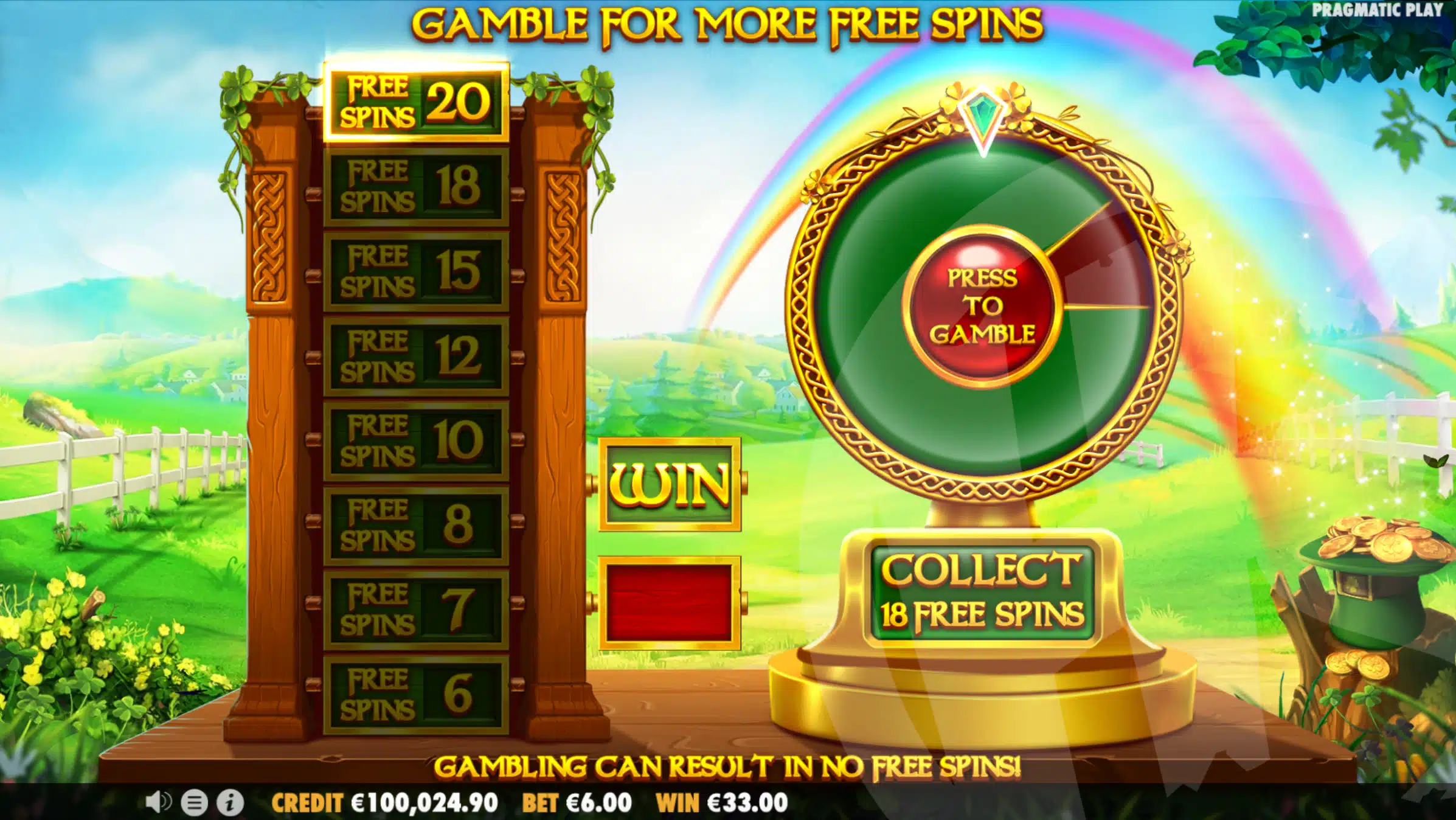
Let’s picture a typical scenario. A customer arrives for a test drive, checks in, and is told there will be a ten-minute wait. They take a seat in the lounge. Instead of idly swiping through social media, they open a gaming app. A few minutes with Brilliant Wilds Slot delivers a cognitive reset. When the sales executive arrives, the customer closes the app, mentally separating the leisure activity, and shifts focus completely to the vehicle. Post-drive, while waiting for figures to be calculated, they might play for another few minutes. This mixing is fluid and personal, managed entirely by the customer on their own device. It represents a modern coping mechanism for fragmented schedules, turning what was once downtime into personally curated uptime.
Ethical and Prudent Factors
It is vital to address the responsible dimension of this intersection. Car purchases are major financial decisions requiring clear focus. Gaming, including slots, should always be approached with moderation and awareness. The integration we describe presupposes a responsible consumer who can compartmentalise activities. The use of gaming as a brief distraction is fundamentally different from prolonged play that could impair judgment. Both dealerships and game providers share a duty to promote healthy engagement. For the customer, self-awareness is key: the game is a temporary diversion, not the main event, and should never interfere with the careful consideration a major purchase demands.
